
The Role of Illusion in Survival
A Streetcar Named DesireBlanche's reliance on illusion is both her weakness and her strength, allowing her to survive but also making her vulnerable to destruction.
increasing Bearing strength in each event
 decreasing
Bearing strength in each eventdecreasingBlanche's Philosophy of Magic
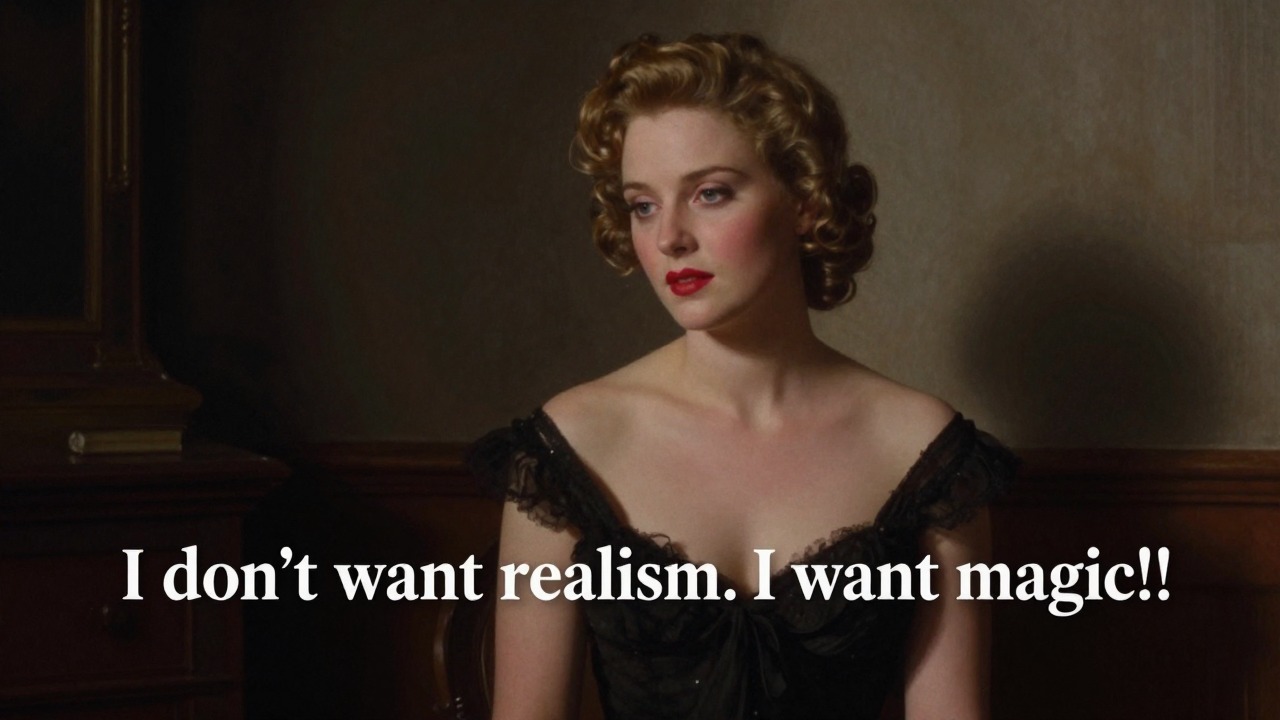
A Defense Against Reality
The Need for Illusion
Blanche says, "I don't want realism. I want magic!" This is her creed. She cannot bear the harsh truth of her life—her age, her faded beauty, her past. She needs to create a world of beauty and romance to survive. Her illusions are not just lies; they are a form of self-preservation.
The Cost of Illusion
But the illusion is fragile. It can be shattered by a single act of cruelty, as when Mitch tears off the paper lantern. The play shows that living in a fantasy is ultimately unsustainable. The world will not let Blanche keep her illusions. The tragedy is that she cannot live without them, and she cannot live with them. The theme of illusion is central to the play's exploration of the human condition.
The Collapse of Illusion
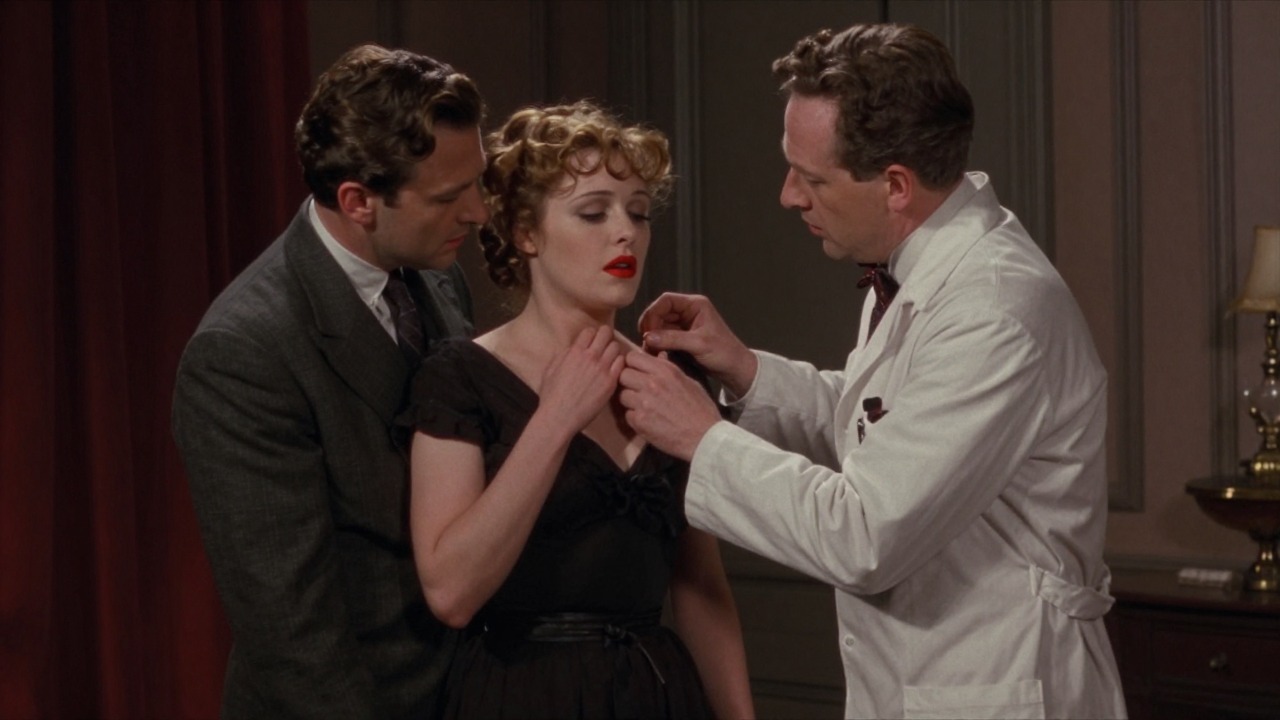
The Final Delusion
The Last Refuge
Even after the rape, Blanche clings to her illusions. She believes she is going on a cruise with Shep Huntleigh. The fantasy is her only comfort. When the doctor arrives, she is terrified, but she allows herself to be led away, speaking of the kindness of strangers. The illusion allows her to leave with a semblance of dignity.
The Ambiguity of Magic
The play does not condemn Blanche's illusions. It shows that they are necessary for her survival. But it also shows that they are powerless against the force of reality. The theme of illusion is not resolved; it is left hanging. The audience is left to wonder: is it better to live in a beautiful lie or to face the ugly truth? The play suggests that the answer is not simple.
throughout the play, but especially in scene nine
final scene, some weeks after the rape
